
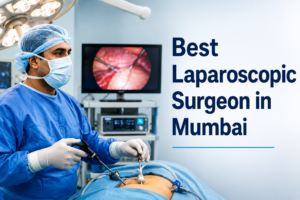
Introduction: Compassionate Surgical Care You Can Trust
Finding the right Laparoscopic Surgeon in Mumbai can feel overwhelming when you’re already worried about symptoms or a recent diagnosis.
You may have questions about recovery time, pain, scars, costs, or which procedure is truly right for you.
Dr. Brijesh Dube understands these concerns. His approach is patient-first—clear explanations, individualized treatment plans, and safe, advanced techniques designed to help you return to your normal life quickly and confidently.
The results typically include less pain, minimal scarring, faster recovery, and a shorter hospital stay compared with traditional open surgery.
If you’ve been advised to consider Laparoscopic Surgery in Mumbai, Dr. Dube offers comprehensive evaluation and evidence-based care for conditions like gallstones, hernias, appendicitis, and more—right here in Mumbai.
What Is Laparoscopic Surgery?
Laparoscopic surgery, often called keyhole surgery or minimally invasive surgery, is a modern technique where the surgeon operates through small incisions (usually 0.5–1 cm) instead of a single large cut.
A high-definition camera (laparoscope) projects magnified views of your internal organs to a monitor, allowing the surgeon to work precisely with specialized instruments.
How It Works?
Small Access Points: Typically 3–4 tiny incisions.
High-Definition Visualization: A camera provides a clear, magnified view.
Precision Instruments: Fine instruments enable delicate dissection and suturing.
Enhanced Recovery: Smaller incisions often mean less blood loss, milder pain, and quicker discharge.
When It’s Recommended
Gallbladder disease (e.g., gallstones, cholecystitis)
Hernia repair (inguinal, umbilical, incisional)
Appendix surgery (appendicitis)
Diagnostic laparoscopy for abdominal pain or suspected conditions
Advanced laparoscopy for selected colorectal, bariatric, or gynecological problems (in collaboration with relevant specialists)
If you’re searching for Minimally Invasive Surgery in Mumbai, a consultation with Dr. Brijesh Dube can help determine if laparoscopy is the best option for you.
Common Procedures Offered (Laparoscopic Treatment)
Patients and referring doctors often consult Dr. Dube for a wide range of laparoscopic treatments in Mumbai. Below are some of the most common procedures explained simply:
1) Laparoscopic Gallbladder Surgery (Cholecystectomy)
Who needs it? Patients with symptomatic gallstones, biliary colic, or gallbladder inflammation.
Goal: Safe removal of the gallbladder to prevent recurrent pain or complications like infection or pancreatitis.
Benefits: Typically one-day admission, small scars, quicker return to activity.
2) Laparoscopic Hernia Repair
Types: Inguinal (groin), umbilical (navel), femoral, and incisional hernias.
Approach: Mesh-based reinforcement is commonly used to reduce recurrence.
Why laparoscopy? Less postoperative pain, faster mobilization, early return to work—especially valuable for active professionals in Mumbai.
3) Laparoscopic Appendix Surgery (Appendectomy)
When? Acute appendicitis or chronic appendicitis symptoms.
Advantages: Lower wound infection risk, less pain, and quick recovery—helpful for students and working adults who need to be back on their feet soon.
4) Diagnostic & Advanced Laparoscopy
Diagnostic laparoscopy: Helps evaluate unexplained abdominal pain or suspected conditions when imaging is inconclusive.
Advanced laparoscopy: Select cases for colorectal conditions, adhesiolysis, or other complex pathologies—performed with meticulous planning and multidisciplinary coordination.
If you’re comparing options for Laparoscopic Surgery Mumbai or looking for the Best Laparoscopic Surgeon Mumbai, consider a Consultation to review your imaging, medical history, and preferences in detail.
Why Choose Dr Brijesh Dube
Selecting a surgeon is about more than just the procedure—it’s about trust, communication, and consistent outcomes. Here’s what sets Dr. Brijesh Dube apart for patients seeking the Best Laparoscopic Surgeon in Mumbai:
Evidence-Based, Patient-Focused Approach
Clear explanations: Your diagnosis and treatment plan are discussed in simple, understandable language.
Shared decision-making: Your questions, preferences, and comfort guide the final plan.
Safety first: Adherence to established clinical guidelines and hospital safety protocols.
Expertise in Key Procedures
Gallbladder surgery, hernia repair, appendix surgery: Routine procedures performed using standardized, step-wise techniques to optimize safety and outcomes.
Advanced laparoscopy: Select complex cases managed with careful preoperative planning and, when appropriate, a multi-specialty team.
Modern Technology & Techniques
High-definition imaging: Ensures excellent intraoperative visibility.
Refined instrumentation: Supports precise dissection and suturing through small incisions.
Seamless Care Pathway
Comprehensive evaluation: From first consult to follow-up, you receive structured support.
Coordinated care: Collaboration with anesthesiologists, radiologists, physicians, and rehab professionals where needed.
Transparent guidance: Clear instructions on pre-op preparation, recovery timelines, diet, and activity.
Note: If you have existing health conditions (e.g., diabetes, heart disease) or are on blood thinners, inform the team early. Your treatment plan will be customized accordingly.
Recovery and Aftercare Guidance
Every patient is unique, but most people undergoing laparoscopic treatment experience a smoother recovery compared to open surgery. Here is a general roadmap (your exact plan may vary):
Before Surgery
Pre-op evaluation: Physical exam, blood tests, and imaging if needed.
Medications: Discuss blood thinners, diabetes medications, or supplements.
Fasting: Follow the hospital’s fasting instructions precisely.
Logistics: Arrange a responsible adult to accompany you home after discharge.
Immediately After Surgery
Monitoring: You’ll be observed in the recovery area until fully awake.
Pain control: Expect mild to moderate discomfort; medication is provided as needed.
Mobilization: Early walking is encouraged to reduce clot risk and aid bowel function.
First 1–2 Weeks
Wound care: Keep incisions clean and dry as advised; report redness, discharge, or fever.
Diet: Start light, then advance to regular meals as tolerated (unless advised otherwise).
Activity: Avoid heavy lifting; gentle walking is encouraged.
Work: Many return to desk jobs within a week after simpler procedures (e.g., laparoscopic appendectomy), but timelines vary.
2–6 Weeks
Gradual return to normal activities: Light exercise increases as comfort grows.
Hernia repair caution: Avoid heavy lifting for the period your surgeon recommends to support proper mesh integration and healing.
Follow-up visit: Review your recovery, pathology results (if applicable), and long-term precautions.
When to call your surgeon: Fever, worsening pain, persistent vomiting, significant swelling, redness, or discharge at the incision sites.
Patient Testimonials & Trust Indicators
Patients consistently value the following about care with Dr. Brijesh Dube:
Clear communication: Anxiety often drops when the plan is well explained.
Comfortable recovery: Many note quicker return to routine after keyhole surgery.
Professional team: From admission to discharge, processes feel organized and respectful.
Clean, modern facilities: A reassuring environment that follows hospital safety protocols.
(For privacy, public testimonials are paraphrased and anonymized. Actual patient feedback is available for review during consultation where appropriate.)
FAQ: Laparoscopic Surgery with Dr. Brijesh Dube
1) Is laparoscopic surgery safe?
Yes. For appropriate conditions, laparoscopy is a safe, well-established approach with recognized benefits such as reduced pain and quicker recovery. As with any surgery, risks exist (bleeding, infection, anesthesia-related issues), but these are minimized with careful evaluation and expert technique.
2) Will I have visible scars?
Laparoscopic procedures use small incisions—typically three to four points of 0.5–1 cm—leading to minimal scarring. Over time, these usually fade significantly.
3) How long will I stay in the hospital?
This varies by procedure and your overall health. Many gallbladder and appendix surgeries are short-stay (24–48 hours). Hernia repairs are also commonly short-stay. Your discharge plan will be personalized.
4) When can I return to work or exercise?
Desk work is often possible within 1–2 weeks for straightforward cases. For physically demanding jobs or after hernia repair, your surgeon will guide you on a safe timeline to resume lifting and strenuous activity.
5) Will I need a mesh for hernia surgery?
Most adult hernia repairs use a surgical mesh to strengthen the abdominal wall and reduce recurrence. Mesh materials and placement are selected to suit your hernia type and lifestyle needs.
6) What is the cost of laparoscopic surgery in Mumbai?
Costs vary based on hospital category, room type, procedure complexity, and insurance. After your evaluation, you’ll receive an estimate with transparent inclusions so you can plan confidently.
Where Patients Come From
Patients visit Dr. Brijesh Dube from across Mumbai and neighboring regions, including Andheri, Bandra, Juhu, Dadar, Ghatkopar, Powai, Chembur, Borivali, Kandivali, Malad, Thane, and Navi Mumbai. Clinics and operating privileges are available at select, well-equipped hospitals in Mumbai to offer convenient scheduling, modern operating rooms, and attentive postoperative care.
If you’re comparing options for Best Laparoscopic Surgeon Mumbai or searching “Laparoscopic Surgeon in Mumbai near me,” consider Booking a consultation to discuss your case and review a tailored plan.
Conclusion & Call to Action:
If you or a loved one needs Laparoscopic Surgery in Mumbai, compassionate care and precise surgical technique matter. Dr. Brijesh Dube offers minimally invasive surgery in Mumbai with an emphasis on safety, comfort, and quick recovery—so you can get back to your life with confidence.
Conditions treated: gallbladder surgery, hernia repair, appendix surgery, keyhole surgery, and selected advanced laparoscopy.
Approach: Patient-first, evidence-based, and transparent about every step of your journey.
Coverage: Serving patients across Mumbai, Thane, and Navi Mumbai with access to modern hospital facilities.
Pingback: Laparoscopic Surgery in Mira Road: What Types of Procedures Are Available? - drbrijeshdube.in